Well-rounded pick
Acer 27" Nitro XV5 Gaming Monitor - XV275K V3BIIPPRX
Acer
27"
$349.99
Price as of Aug 2026
Why it made the list: Number one here because it plays the part of the fast-panel pick better than anything else we considered.
Best Monitors to Buy Right Now is really about balancing panel quality, pixel density, and overall value. This list leans into 20" and larger displays so you can compare the monitors that actually fit the brief. Use it as a shortlist, then narrow further inside FilterKilter once you know which tradeoffs matter most to you.
Best Monitors to Buy Right Now is for buyers comparing 20" and larger displays. The hard part is separating meaningful specs from nice-looking extras, so this guide ranks live catalog picks by panel quality, pixel density, and overall value.
Affiliate disclosure: Links to retailers on this page are affiliate links. If you buy after clicking one, we may earn a commission at no extra cost to you. Commissions do not influence which laptops we rank or in what order. See our full Affiliate Disclosure.
Data & accuracy: Rankings are based on publisher specifications, retailer pricing snapshots, and published system requirements. We do not physically test every laptop listed, and prices, configurations, and availability change frequently. Always confirm the exact configuration and final price on the retailer’s site before buying. See our full methodology →
Informational only: Content on this site is provided for informational purposes and is not professional, financial, or technical advice. Use your own judgment when making a purchase.
Well-rounded pick
Acer
Price as of Aug 2026
Why it made the list: Number one here because it plays the part of the fast-panel pick better than anything else we considered.
Well-rounded pick
Acer
Price as of Aug 2026
Why it made the list: What keeps it near the top is that it fills the role of the one built for frame rate. It suits the player who cares more about how quickly the screen answers an input than about how the desktop looks at rest.
Lowest price here
Acer
Price as of Aug 2026
Why it made the list: Its edge over nearby picks is that it functions as the responsiveness-first choice. It fits fast games, where a frame arriving sooner is worth more than a slightly richer picture.
Well-rounded pick
Lenovo
Price as of Aug 2026
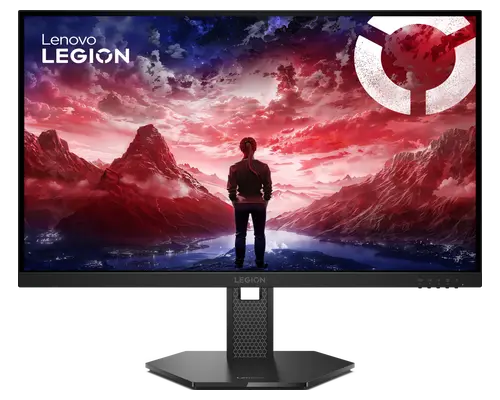
Why it made the list: Its case on this list is that it works as the responsiveness-first choice. This is a panel for people who will notice a dropped frame and will not notice a slightly narrower colour gamut.
Well-rounded pick
LG
Price as of Aug 2026
Why it made the list: It earns its slot by covering the role of the one for reading all day. It suits long text sessions, where a sharper panel is the difference between comfortable and merely readable.
Well-rounded pick
Samsung
Price as of Aug 2026
Why it made the list: Reads as the responsiveness-first choice more than a star attraction, which is exactly why it is useful alongside the flagships.
Well-rounded pick
Lenovo
Price as of Aug 2026
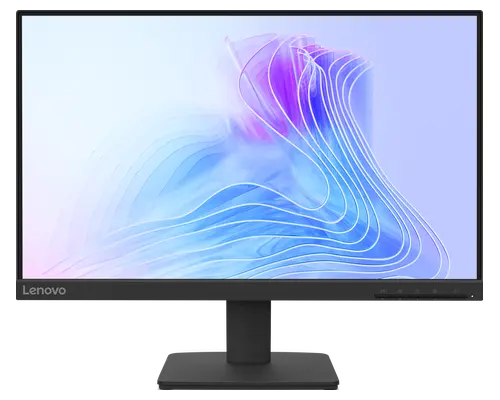
Why it made the list: This pick stays relevant by being the sensible-budget choice without pretending to do every job. It fits the buyer who wants the obvious things done right and is not interested in paying for the last 10%.
Well-rounded pick
Lenovo
Price as of Aug 2026
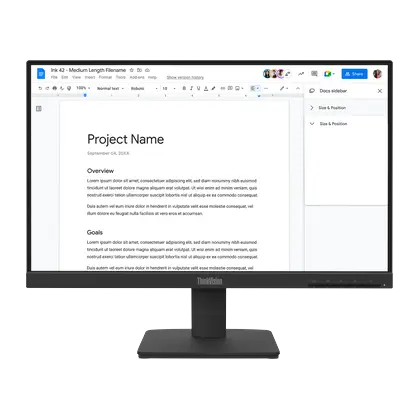
Why it made the list: This is the sensible option for a second screen, a home office, or a machine that does not need to impress anyone. The IPS panel keeps colour consistent across the whole screen, which matters more on a large display than on a small one. There is no variable refresh here, so frame-rate dips show up as tearing rather than being smoothed over.
Well-rounded pick
Samsung
Price as of Aug 2026
Why it made the list: It belongs on a desk where the graphics card is the expensive part and the screen has to keep up with it. 180Hz is enough to make motion look continuous rather than stepped, and the gap from 60Hz is far bigger than the gap to the next tier up. A 1ms response keeps fast motion from smearing, although vendors measure this generously enough that it is worth treating as a ceiling rather than a promise.
Well-rounded pick
Samsung
Price as of Aug 2026
Why it made the list: Lower on the page, the argument shifts to the pixel-density choice and day-to-day practicality. It fits days spent reading rather than watching; code, documents, spreadsheets; where text edges matter more than contrast. 163 PPI puts text past the point where you can pick out pixel edges at a normal viewing distance.
Prices and availability are snapshots taken when we last refreshed this catalog and may change without notice. Confirm the current price, configuration, and stock on the retailer’s or manufacturer’s own product page before buying. Affiliate disclosure.
Use this guide as the shortlist, then refine by price, screen size, resolution, refresh rate, panel type, and connectivity inside the full FilterKilter tool.
Open FilterKilter — Full Filtering & Sorting Tool →For this kind of shopping shortcuts, start with size, resolution and panel type, because those three decide how the monitor feels before any other spec matters. Pixel density is the number that ties the first two together: the same 4K panel is sharp at 27 inches and merely large at 43.
Above 60 Hz everything on screen moves more smoothly, including cursors and scrolling, so the jump to 100-144 Hz is worth it for most people. Beyond that the returns narrow quickly unless you play competitive games and can feed the panel enough frames.
IPS gives the most consistent color and viewing angles and is the safe default. VA trades some of that for deeper blacks, which suits dark rooms and media. OLED and QD-OLED have the best contrast available and the highest price, plus a burn-in risk that makes them a better fit for mixed use than for eight hours a day of the same static toolbars.
Microsoft Support. Baseline Windows hardware requirements used when judging everyday Windows laptops. Accessed 2026-05-21.
Microsoft Support. Office and Microsoft 365 compatibility context for school, work, and productivity picks. Accessed 2026-05-21.
Zoom Support. Video-meeting requirements used for student, remote-work, and business recommendations. Accessed 2026-05-21.