Best Desktops for Web Development

By the FilterKilter Editorial Team

Updated June 15, 2026

How we rank

Best Desktops for Web Development is really about balancing performance, expandability, and overall value. This list leans into 16 GB of RAM or more so you can compare the desktops that actually fit the brief. Use it as a shortlist, then narrow further inside FilterKilter once you know which tradeoffs matter most to you.

What to Look For

  • Aim for at least 16 GB of RAM here so the laptop still feels comfortable once you add browser tabs, meetings, and background apps.
  • Prioritize SSD storage, a current-generation processor, and the ports you actually use before paying extra for cosmetic upgrades.
  • If two laptops look close on paper, use weight, battery life, webcam quality, and port selection to break the tie because those affect daily ownership the most.

How We Chose

Best Desktops for Web Development is for buyers comparing 16 GB of RAM or more. The hard part is separating meaningful specs from nice-looking extras, so this guide ranks live catalog picks by performance, expandability, and overall value.

  • 1Each pick must match the guide brief: 16 GB of RAM or more.
  • 2The generator sorts matching desktops by overall FilterKilter rating first and applies a per-brand cap so one lineup does not crowd out the page.
  • 3RAM and SSD capacity are treated as practical ownership factors, not just spec-sheet decoration.
  • 4Retailer links and commissions do not affect ranking order.

Our Top Picks

Affiliate disclosure: Links to retailers on this page are affiliate links. If you buy after clicking one, we may earn a commission at no extra cost to you. Commissions do not influence which laptops we rank or in what order. See our full Affiliate Disclosure.

Data & accuracy: Rankings are based on publisher specifications, retailer pricing snapshots, and published system requirements. We do not physically test every laptop listed, and prices, configurations, and availability change frequently. Always confirm the exact configuration and final price on the retailer’s site before buying. See our full methodology →

Informational only: Content on this site is provided for informational purposes and is not professional, financial, or technical advice. Use your own judgment when making a purchase.

Best for daily carry

Asus Expertcenter Pn54 S1

ASUS

32 GB RAM512 GB Storage
$429

Why it made the list: For the first position, Asus Expertcenter Pn54 S1 has a distinct job as a focused comparison pick. The useful distinction is 1.2-pound weight plus $429 street price, which gives this pick a narrower job than the models above it. Skip it if you want the strongest headline spec; keep it if that specific mix solves the comparison.

Best for daily carry

Asus Expertcenter Pn54

ASUS

16 GB RAM512 GB Storage
$599

Why it made the list: For the second position, Asus Expertcenter Pn54 has a distinct job as the bag-friendly portability pick. For the second position, Asus Expertcenter Pn54 has a distinct job as a focused comparison pick. The useful distinction is 1.2-pound weight plus $599 street price, which gives this pick a narrower job than the models above it. Skip it if you want the strongest headline spec; keep it if that specific mix solves the comparison.

Best for daily carry

Asus Expertcenter Pn65

ASUS

16 GB RAM256 GB StorageIntel® Core™ Ultra 7 155H Processor
$599

Why it made the list: It belongs here because it keeps the everyday tradeoffs reasonably even.

Well-rounded pick

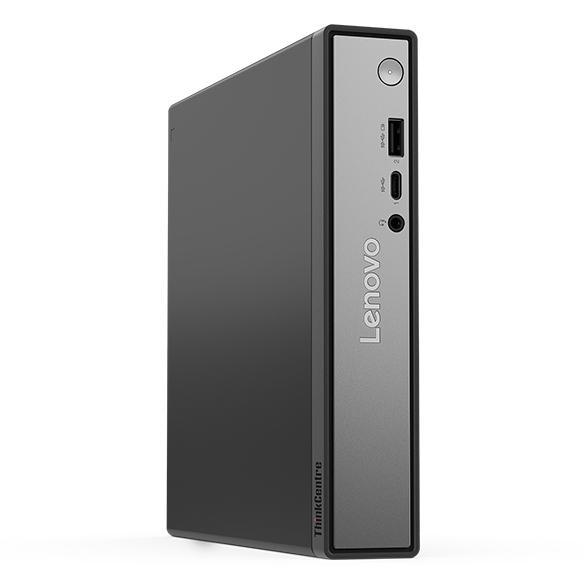
ThinkCentre Neo 50q Qualcomm

Lenovo

16 GB RAM256 GB StorageSnapdragon® X X1-26-100 Processor (2.97 GHz)
$649

Why it made the list: It earns its place by covering a broader everyday workload instead of solving only one narrow niche.

Well-rounded pick

ThinkCentre Neo 55s Gen 6 (AMD) Small Form Factor

Lenovo

16 GB RAM512 GB StorageAMD Ryzen™ 5 220 Processor (3.20 GHz up to 4.90 GHz)
$819

Why it made the list: The right reader is anyone who wants a capable all-rounder rather than a laptop optimized for a single task. Memory is not the bottleneck here. 16GB gives it enough room for normal work, school, and light creative overlap.

Want More Control?

Use this guide as the shortlist, then refine by price, RAM, GPU, battery life, weight, display size, and software requirements inside the full FilterKilter tool.

Open FilterKilter — Full Filtering & Sorting Tool →

Frequently Asked Questions

What should you compare first in this category?

Start with the non-negotiables for this kind of developer: performance, portability, display size, and price. Once those are aligned, compare smaller quality-of-life details like ports, keyboard feel, battery life, and thermals.

How much RAM is enough?

16 GB is the practical baseline here because it gives you enough headroom for multitasking and keeps the laptop from feeling cramped too quickly.

Do you need a dedicated GPU for this kind of desktop?

Usually not. Integrated graphics is enough for web work, office tasks, schoolwork, and general productivity. Pay for a dedicated GPU only if you know your workload will use it.

Sources and Notes

Windows 11 system requirements

Microsoft Support. Baseline Windows hardware requirements used when judging everyday Windows laptops. Accessed 2026-05-21.

Microsoft 365 and Office resources

Microsoft Support. Office and Microsoft 365 compatibility context for school, work, and productivity picks. Accessed 2026-05-21.

Zoom system requirements

Zoom Support. Video-meeting requirements used for student, remote-work, and business recommendations. Accessed 2026-05-21.

Browse All Desktop Buying GuidesClick to expand
← Browse all FilterKilter buying guides