Best Laptops for App Development

By the FilterKilter Editorial Team

Updated June 15, 2026

How we rank

Best Laptops for App Development is really about balancing portability, build quality, and keyboard comfort. This list leans into 16 GB of RAM or more, 512 GB of storage or more, 8+ CPU cores, and a carry weight under 4.5 lb so you can compare the laptops that actually fit the brief. Use it as a shortlist, then narrow further inside FilterKilter once you know which tradeoffs matter most to you.

What to Look For

  • Aim for at least 16 GB of RAM here so the laptop still feels comfortable once you add browser tabs, meetings, and background apps.
  • Storage fills up faster than buyers expect, so treat 512 GB as a practical floor once apps, media, SDKs, or project files start to accumulate.
  • If this category leans on sustained work, 8+ CPU cores is a useful baseline because burst performance alone does not tell you how the laptop feels under real load.
  • If portability is part of the brief, keep the weight around 4.5 lb or less and make sure the charger is not oversized enough to cancel out the benefit.
  • Prioritize SSD storage, a current-generation processor, and the ports you actually use before paying extra for cosmetic upgrades.

How We Chose

Best Laptops for App Development is for buyers comparing 16 GB of RAM or more, 512 GB of storage or more, and 8+ CPU cores. The hard part is separating meaningful specs from nice-looking extras, so this guide ranks live catalog picks by portability, build quality, and keyboard comfort.

  • 1Each pick must match the guide brief: 16 GB of RAM or more, 512 GB of storage or more, 8+ CPU cores, and a carry weight under 4.5 lb.
  • 2The generator sorts matching laptops by overall FilterKilter rating first and applies a per-brand cap so one lineup does not crowd out the page.
  • 3RAM and SSD capacity are treated as practical ownership factors, not just spec-sheet decoration.
  • 4Portability and battery life can break ties because they change how the laptop feels after the first week.
  • 5Retailer links and commissions do not affect ranking order.

Our Top Picks

Affiliate disclosure: Links to retailers on this page are affiliate links. If you buy after clicking one, we may earn a commission at no extra cost to you. Commissions do not influence which laptops we rank or in what order. See our full Affiliate Disclosure.

Data & accuracy: Rankings are based on publisher specifications, retailer pricing snapshots, and published system requirements. We do not physically test every laptop listed, and prices, configurations, and availability change frequently. Always confirm the exact configuration and final price on the retailer’s site before buying. See our full methodology →

Informational only: Content on this site is provided for informational purposes and is not professional, financial, or technical advice. Use your own judgment when making a purchase.

Best for higher frame rates

OMEN Transcend Gaming Laptop 14t-fb100, 14"

HP

16 GB RAM1 TB StorageIntel® Core™ Ultra 7 255H (up to 5.1 GHz, 24 MB L3 cache, 16 cores, 16 threads)NVIDIA® GeForce RTX™ 5050 Laptop GPU (8 GB)14"
$119.99

Why it made the list: For the first position, OMEN Transcend Gaming Laptop 14t-fb100, 14" has a distinct job as a real gaming-series option. For the first position, OMEN Transcend Gaming Laptop 14t-fb100, 14" has a distinct job as a focused comparison pick. The useful distinction is OMEN identity plus 3.6-pound weight, which gives this pick a narrower job than the models above it. Skip it if you want the strongest headline spec; keep it if that specific mix solves the comparison.

Best for daily carry

ASUS ExpertBook B1403CVA 16GB RAM 512GB SSD

ASUS

16 GB RAM512 GB StorageIntel® Core™ i7-1355U Processor 1.7 GHz (12MB Cache, up to 5.0 GHz, 10 cores, 12 Threads) Intel® Core™ i5-1335U Processor 1.3 GHz (12MB Cache, up to 4.6 GHz, 10 cores, 12 Threads)14"
$479.99

Why it made the list: Weight is a real selling point here. 3.1 pounds is well under the category average and makes everyday carry a non-event. Memory is not the bottleneck here. 16GB gives it enough room for normal work, school, and light creative overlap.

Best for split-screen work

ASUS ExpertBook B1503CVA 16GB RAM 512GB SSD

ASUS

16 GB RAM512 GB StorageIntel® Core™ i7-1355U Processor 1.7 GHz (12MB Cache, up to 5.0 GHz, 10 cores, 12 Threads) Intel® Core™ i5-1335U Processor 1.3 GHz (12MB Cache, up to 4.6 GHz, 10 cores, 12 Threads)15.6"
$497.99

Why it made the list: What keeps it near the top is that it fills the role of the multitasking-screen pick. It earns its place by covering a broader everyday workload instead of solving only one narrow niche. Having 16GB of RAM keeps this from feeling like a short-life budget spec once multitasking gets messy.

Best for split-screen work

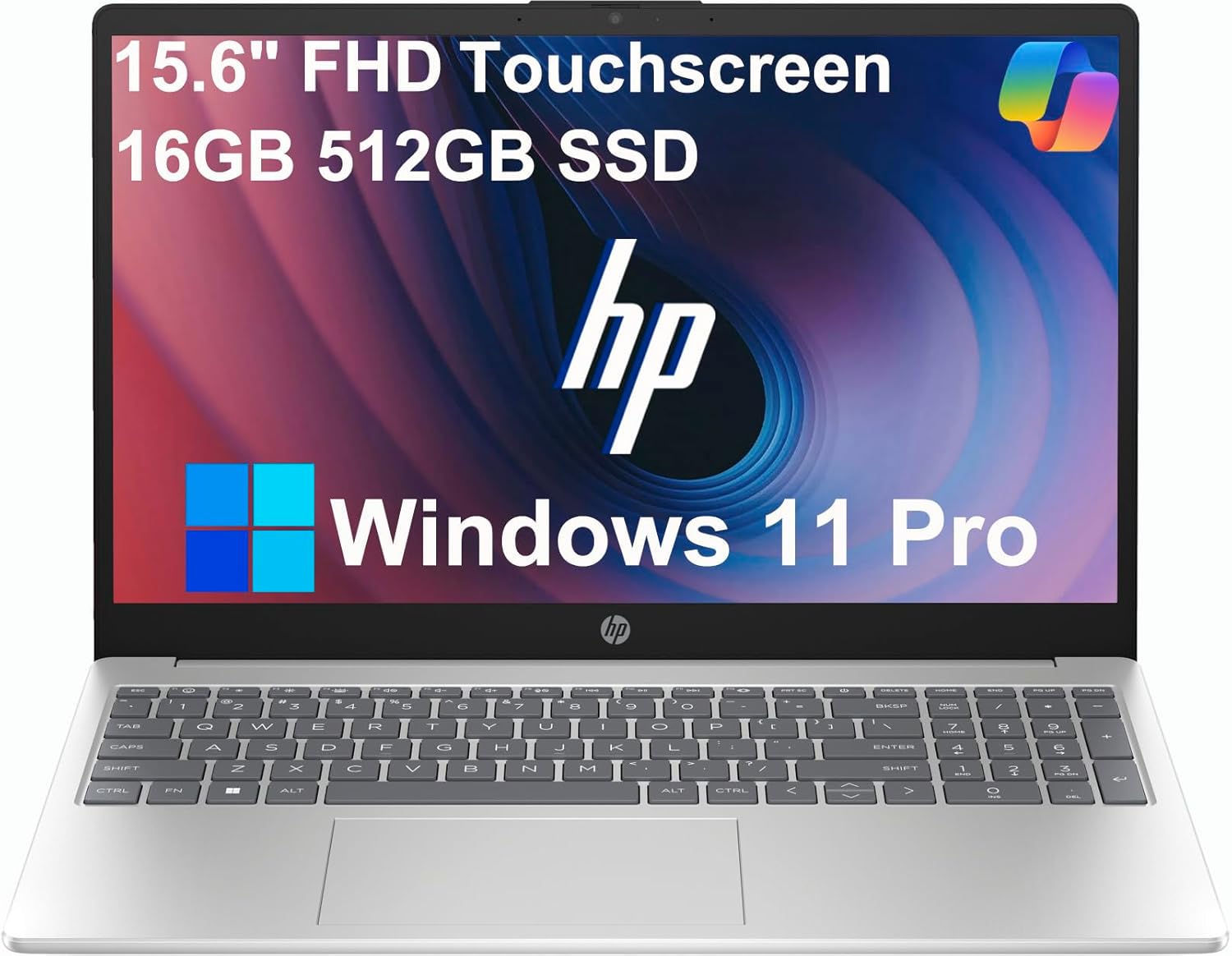
HP OmniBook 5 Laptop 16t-ba100, 16"

HP

16 GB RAM512 GB StorageIntel® Core™ 5 120U (up to 5.0 GHz, 12 MB L3 cache, 10 cores, 12 threads)16"
$599.99

Why it made the list: It works as the practical middle path when none of the more specialized picks line up cleanly. The 16GB memory configuration is the practical baseline now, especially if your day includes a browser, meetings, documents, and background apps.
Best for split-screen work

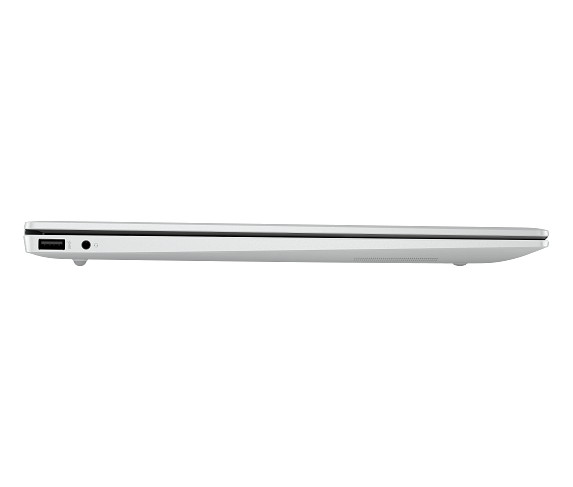
Acer Aspire Go 15 Laptop - AG15-71P-59PZ

Acer

16 GB RAM512 GB StorageIntel® UHD Graphics shared memory15.6"
$599.99

Why it made the list: For the right buyer, it answers the brief as the multitasking-screen pick more directly than its rank suggests. The audience is someone comparing the whole laptop, not just the loudest spec on the page.

Lenovo IdeaPad Slim 3 15.6" Full HD Touchscreen Laptop6

Image: Amazon · Affiliate link

Best for all-day battery

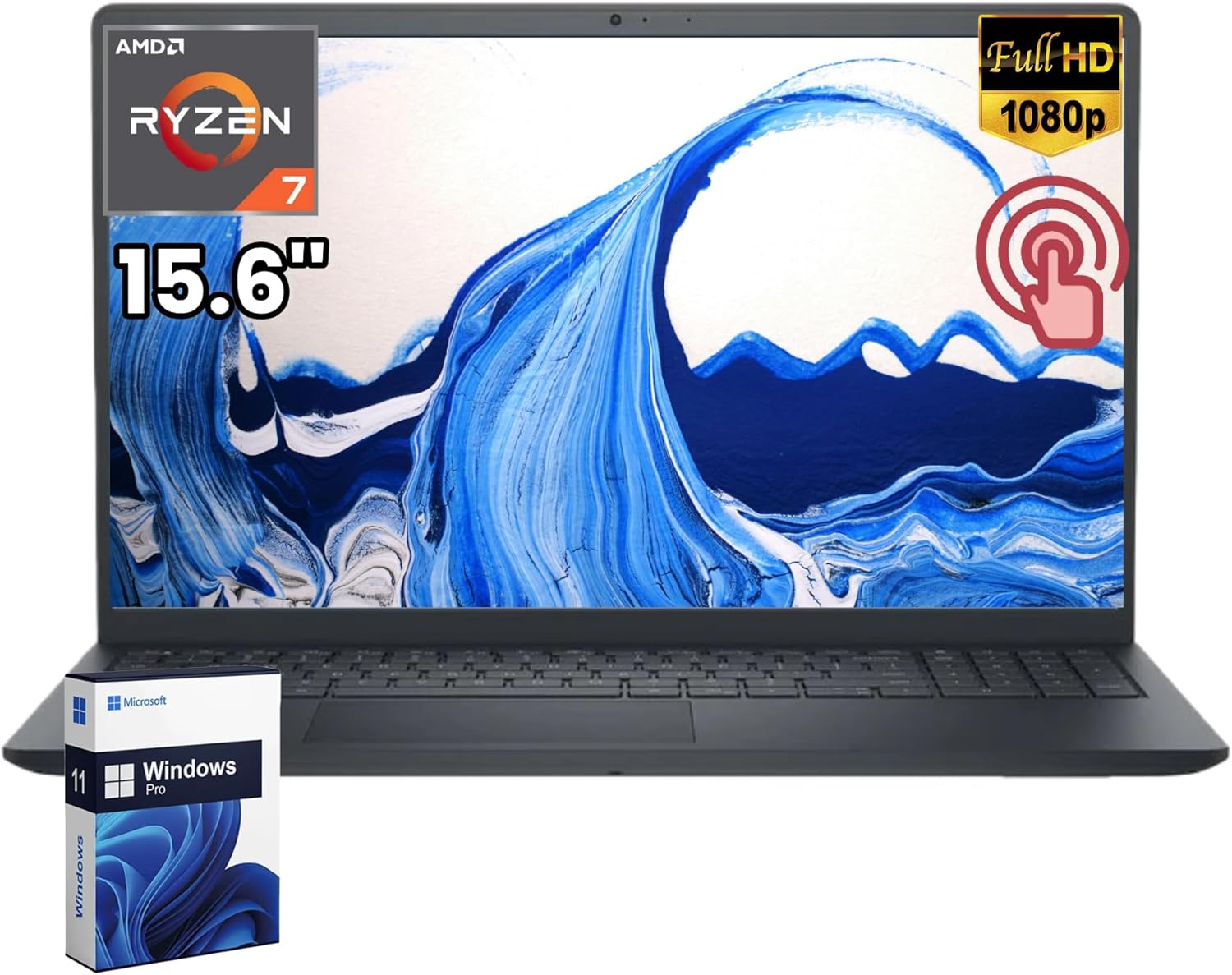
Lenovo IdeaPad Slim 3 15.6" Full HD Touchscreen Laptop – AMD Ryzen 7 5825U, 16GB Memory, 512GB SSD, Arctic Grey

Lenovo

16 GB RAM512 GB StorageAMD Ryzen 7 5825U15.6"10 hr battery
$604

Why it made the list: It fits buyers who measure "good laptop" partly by how little they notice it in a bag. On the CPU side it relies on a Ryzen 7-class processor, which is a more honest match for this use case than the vague minimum-tier chips that show up in weaker budget laptops.

Best for split-screen work

Acer Aspire Vero 16 Laptop - AV16-51P-5641

Acer

16 GB RAM512 GB StorageIntel® Core™ Ultra 5 125U processor Dodeca-core16"
$649.99

Why it made the list: The right reader is anyone who wants a capable all-rounder rather than a laptop optimized for a single task. The 4.0-pound carry weight keeps it in practical everyday-bag range rather than pushing it toward desk-only duty.

Best for split-screen work

Dell 16 Laptop

Dell

16 GB RAM512 GB StorageIntel® Core™ 5 120U (10 cores, up to 5.0 GHz)16"
$649.99

Why it made the list: It belongs here because it keeps the everyday tradeoffs reasonably even. Skip it if the lowest possible price matters most. That is the catch. Compare closely. The useful distinction on Dell 16 Laptop is 4.4-pound weight plus $650 street price, which keeps it from reading like filler.

Lenovo V15 Gen 4 Business Laptop10

Image: Amazon · Affiliate link

Best for split-screen work

Lenovo V15 Gen 4 Business Laptop, 15.6" FHD Display, Intel Core i5-13420H (Beat i7-1355U), HDMI, RJ45, Webcam, Numeric…

Lenovo

16 GB RAM512 GB StorageIntel Core i5-13420H15.6"
$659

Why it made the list: The fit is a buyer who wants fewer surprises rather than one standout feature. With 16GB onboard, it has the multitasking cushion that many cheaper 8GB configurations lack. This is the pick to compare carefully against the one above it: 15.6" screen size is the detail that changes the buying logic, not a vague sense that pricier must be better.

Want More Control?

Use this guide as the shortlist, then refine by price, RAM, GPU, battery life, weight, display size, and software requirements inside the full FilterKilter tool.

Open FilterKilter — Full Filtering & Sorting Tool →

Frequently Asked Questions

What should you compare first in this category?

Start with the non-negotiables for this kind of developer: performance, portability, display size, and price. Once those are aligned, compare smaller quality-of-life details like ports, keyboard feel, battery life, and thermals.

How much RAM is enough?

16 GB is the practical baseline here because it gives you enough headroom for multitasking and keeps the laptop from feeling cramped too quickly.

Do you need a dedicated GPU for this kind of laptop?

Usually not. Integrated graphics is enough for web work, office tasks, schoolwork, and general productivity. Pay for a dedicated GPU only if you know your workload will use it.

Sources and Notes

Windows 11 system requirements

Microsoft Support. Baseline Windows hardware requirements used when judging everyday Windows laptops. Accessed 2026-05-21.

Microsoft 365 and Office resources

Microsoft Support. Office and Microsoft 365 compatibility context for school, work, and productivity picks. Accessed 2026-05-21.

Zoom system requirements

Zoom Support. Video-meeting requirements used for student, remote-work, and business recommendations. Accessed 2026-05-21.

Check Exact Software Requirements

FilterKilter scores every laptop in its catalog against official publisher system requirements. Open any title below for its minimum, recommended, and optimal specs — plus a live list of laptops that meet them.

Browse all software system requirements →

Browse All Laptop Buying GuidesClick to expand
← Browse all FilterKilter buying guides