Best Laptops for Esports

By the FilterKilter Editorial Team

Updated May 11, 2026

Best Laptops for Esports is really about balancing motion clarity, responsiveness, and the display headroom that matters in fast-moving workloads. This list leans into 16 GB of RAM or more, 512 GB of storage or more, a dedicated GPU, 16" and smaller displays, and 144 Hz+ displays so you can compare the laptops that actually fit the brief. Use it as a shortlist, then narrow further inside FilterKilter once you know which tradeoffs matter most to you.

What to Look For

  • Aim for at least 16 GB of RAM here so the laptop still feels comfortable once you add browser tabs, meetings, and background apps.
  • Storage fills up faster than buyers expect, so treat 512 GB as a practical floor once apps, media, SDKs, or project files start to accumulate.
  • A dedicated GPU is part of the value equation in this category, but cooling and sustained performance matter just as much as the chip name on the spec sheet.
  • Screen size changes the entire feel of a laptop, so use 16" and smaller displays as a starting point and then compare keyboard layout, thermals, and portability.
  • A 144 Hz-or-better panel can materially improve responsiveness, but it should not distract you from GPU capability, thermals, and battery tradeoffs.

Our Top Picks

Affiliate disclosure: Links to retailers on this page are affiliate links. If you buy after clicking one, we may earn a commission at no extra cost to you. Commissions do not influence which laptops we rank or in what order — see our full Affiliate Disclosure.

Data & accuracy: Rankings are based on publisher specifications, retailer pricing snapshots, and published system requirements. We do not physically test every laptop listed, and prices, configurations, and availability change frequently. Always confirm the exact configuration and final price on the retailer’s site before buying. See our full methodology →

Informational only: Content on this site is provided for informational purposes and is not professional, financial, or technical advice. Use your own judgment when making a purchase.

Best for higher frame rates

Alienware 16 Area-51 Gaming Laptop

Dell

32 GB RAM1 TB StorageIntel® Core Ultra 9 processor 290HX Plus (24-Core, 36MB Cache, 2.7Ghz to 5.5GHz)16"
$4,399.99

Why it made the list: Our top pick, and the reason is that it reads like the roomier big-screen option. It earns its place by covering a broader everyday workload instead of solving only one narrow niche. At 7.5 pounds it is not a featherweight, but the extra heft buys a bigger screen or real cooling that the slimmer picks cannot match. A 16" panel lets you comfortably run two windows side by side, which is often what the smaller picks on this list cannot do without squinting. The bigger screen is useful, but it is also a reminder that this is more of a desk-friendly machine than a toss-it-in-any-bag pick.

Best for higher frame rates

ASUS TUF Gaming FA506NC 16GB RAM 512GB SSD

ASUS

16 GB RAM512 GB StorageAMD Ryzen™ 5 7535HS Processor 3.3GHz (19MB Cache, up to 4.55 GHz, 6 cores, 12 Threads)15.6"

Why it made the list: It stays in the upper half of the list by being the roomier big-screen option rather than trying to be everything. It earns its place by covering a broader everyday workload instead of solving only one narrow niche. 16GB of RAM lands in the current sweet spot — enough for real multitasking without pushing the price up the way 32GB configurations tend to. A dedicated NVIDIA® GeForce RTX™ 3050 Laptop GPU, Up to 167... raises the ceiling above the productivity-first picks nearby for the occasional heavy task.

Best for higher frame rates

Acer Predator Helios Neo 14 AI Gaming Laptop - PHN14-71-906J

Acer

32 GB RAM1 TB StorageIntel® Core™ Ultra 9 Series 2 Series 285H processor Hexadeca-core 2.90 GHz14.5"13 hr battery
$2,199.99

Why it made the list: Its edge over nearby picks is that it functions as the all-day battery play. It fits buyers who measure "good laptop" partly by how little they notice it in a bag. A ~13-hour runtime gives it serious unplugged stamina — the kind that actually changes how you plan your day. The 4.2-pound carry weight keeps the commute + class-hop routine from turning into shoulder strain by Wednesday. At this price you are buying real margin over the entry-level picks — nice, but overkill if your workload actually fits on a mid-list machine.

Best for higher frame rates

Alienware 16 Area-51 Gaming Laptop

Dell

64 GB RAM2 TB StorageIntel® Core Ultra 9 processor 275HX (24-Core, 36MB Total Cache, 2.7GHz to 5.4GHz)16"
$4,719.99

Why it made the list: Reads as the roomier big-screen option more than a star attraction — which is exactly why it is useful alongside the flagships. It earns its place by covering a broader everyday workload instead of solving only one narrow niche. At $4,719.99 it is priced like a step-up pick, not a bare-minimum buy — which is partly why it shows up in a different role than the cheaper entries here. A 2TB SSD is noticeably more forgiving than the 256GB–512GB drives common at this tier, especially once apps, project files, or a modern game library start piling up. The flip side is straightforward: you are paying for polish and headroom here, not just checking the minimum boxes for the category.

Best for higher frame rates

Legion Pro 5 Gen 10 Intel (16")

Lenovo

16 GB RAM512 GB Storage14th Generation Intel® Core™ i7-14650HX Processor (E-cores up to 3.70 GHz P-cores up to 5.20 GHz)16"
$1,749.99

Why it made the list: The angle here is simple: the roomier big-screen option, plus the basics. It earns its place by covering a broader everyday workload instead of solving only one narrow niche. 16GB of RAM lands in the current sweet spot — enough for real multitasking without pushing the price up the way 32GB configurations tend to. At $1,749.99 it is priced like a step-up pick, not a bare-minimum buy — which is partly why it shows up in a different role than the cheaper entries here. The flip side is straightforward: you are paying for polish and headroom here, not just checking the minimum boxes for the category.

Best for higher frame rates

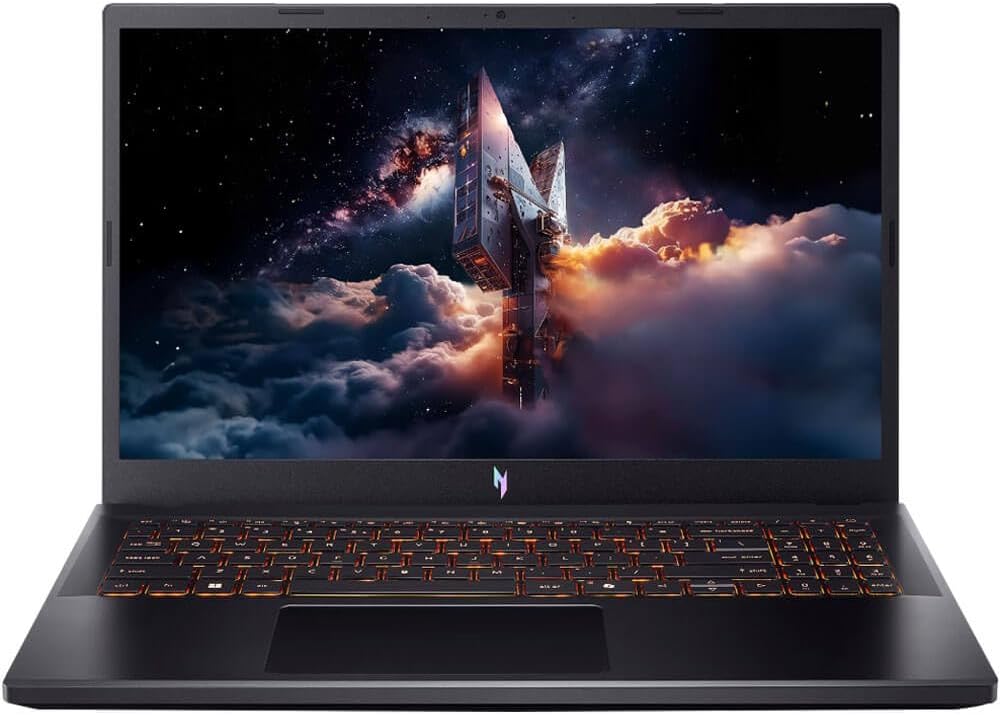
Acer Nitro 16S AI Gaming Laptop - AN16S-61-R5FY

Acer

16 GB RAM1 TB StorageAMD Ryzen™ 7 350 processor Octa-core 2 GHz16"6 hr battery
$1,849.99

Why it made the list: Its case on this list is that it works as the roomier big-screen option. It fits buyers who measure "good laptop" partly by how little they notice it in a bag. 16GB of RAM lands in the current sweet spot — enough for real multitasking without pushing the price up the way 32GB configurations tend to. $1,849.99 puts it in upgrade territory, and the spec sheet actually reflects it rather than just charging for the badge. At this price you are buying real margin over the entry-level picks — nice, but overkill if your workload actually fits on a mid-list machine.

Best for higher frame rates

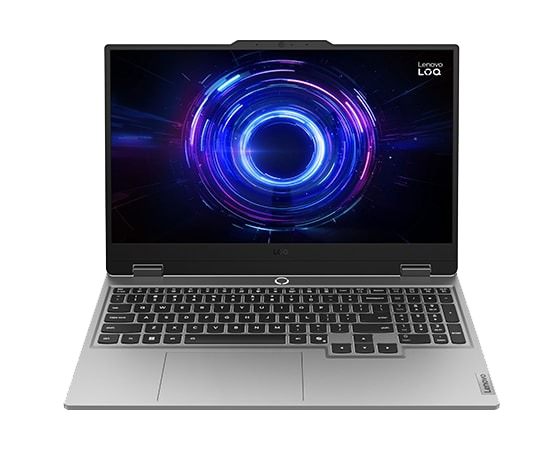
Legion 5i Gen 10 Intel (15") with RTX™ 5060

Lenovo

16 GB RAM512 GB StorageIntel® Core™ Ultra 7 255HX Processor (E-cores up to 4.50 GHz P-cores up to 5.20 GHz)15.1"
$1,552.99

Why it made the list: It rounds out the lineup as the value-first option, which is a lane the top picks do not fully claim. It earns its place by covering a broader everyday workload instead of solving only one narrow niche. Price is a core part of the appeal: at $1,552.99 it sits near the floor of this guide instead of creeping into premium territory. 16GB of RAM lands in the current sweet spot — enough for real multitasking without pushing the price up the way 32GB configurations tend to. The low sticker is the whole point, so think practical everyday adequacy rather than premium materials or surplus performance.

Best for higher frame rates

OMEN MAX Gaming Laptop 16z-ak000, 16"

HP

16 GB RAM512 GB StorageAMD Ryzen™ AI 7 H 350 (up to 5.0 GHz, 16 MB L3 cache, 8 cores, 16 threads)16"
$2,099.99

Why it made the list: Reads as the roomier big-screen option more than a star attraction — which is exactly why it is useful alongside the flagships. The right reader is anyone who wants a capable all-rounder rather than a laptop optimized for a single task. 16GB of RAM lands in the current sweet spot — enough for real multitasking without pushing the price up the way 32GB configurations tend to. $2,099.99 puts it in upgrade territory, and the spec sheet actually reflects it rather than just charging for the badge. At this price you are buying real margin over the entry-level picks — nice, but overkill if your workload actually fits on a mid-list machine.

Best for higher frame rates

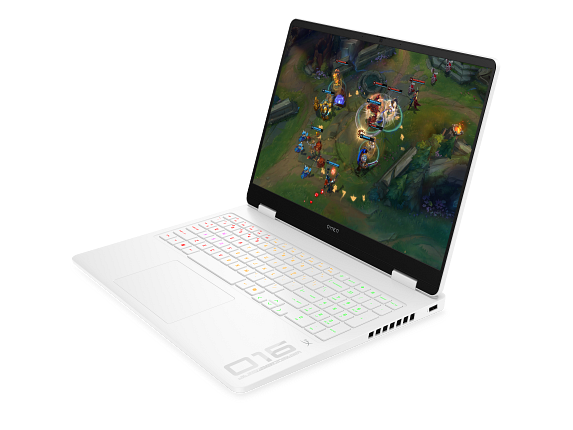
OMEN Gaming Laptop 16z-ap000, 16.1"

HP

16 GB RAM512 GB StorageAMD Ryzen™ 9 8940HX (up to 5.3 GHz, 64 MB L3 cache, 16 cores, 32 threads16"
$1,999.99

Why it made the list: Its case on this list is that it works as the roomier big-screen option. It earns its place by covering a broader everyday workload instead of solving only one narrow niche. 16GB of RAM lands in the current sweet spot — enough for real multitasking without pushing the price up the way 32GB configurations tend to. At $1,999.99 it is priced like a step-up pick, not a bare-minimum buy — which is partly why it shows up in a different role than the cheaper entries here. The flip side is straightforward: you are paying for polish and headroom here, not just checking the minimum boxes for the category.

Best for higher frame rates

Asus Tuf Gaming A16 2025

ASUS

16 GB RAM512 GB StorageAMD Ryzen™ 7 260 Processor 3.8GHz (24MB Cache, up to 5.1 GHz, 8 cores, 16 Threads); AMD XDNA™ NPU up to 16TOPS16"
$1,699.99

Why it made the list: Reads as the roomier big-screen option more than a star attraction — which is exactly why it is useful alongside the flagships. The right reader is anyone who wants a capable all-rounder rather than a laptop optimized for a single task. 16GB of RAM lands in the current sweet spot — enough for real multitasking without pushing the price up the way 32GB configurations tend to. $1,699.99 puts it in upgrade territory, and the spec sheet actually reflects it rather than just charging for the badge. At this price you are buying real margin over the entry-level picks — nice, but overkill if your workload actually fits on a mid-list machine.

Want More Control?

Use this guide as the shortlist, then refine by price, RAM, GPU, battery life, weight, display size, and software requirements inside the full FilterKilter tool.

Open FilterKilter — Full Filtering & Sorting Tool →

Frequently Asked Questions

What should you compare first in this category?

Start with the non-negotiables for this kind of gaming: performance, portability, display size, and price. Once those are aligned, compare smaller quality-of-life details like ports, keyboard feel, battery life, and thermals.

How much RAM is enough?

16 GB is the practical baseline here because it gives you enough headroom for multitasking and keeps the laptop from feeling cramped too quickly.

Why does a dedicated GPU matter here?

This category benefits from stronger graphics performance, but you should still judge the whole package: cooling, power limits, display quality, and battery life matter just as much as the GPU model.

Browse All Laptop Buying GuidesClick to expand
← Browse all FilterKilter buying guides