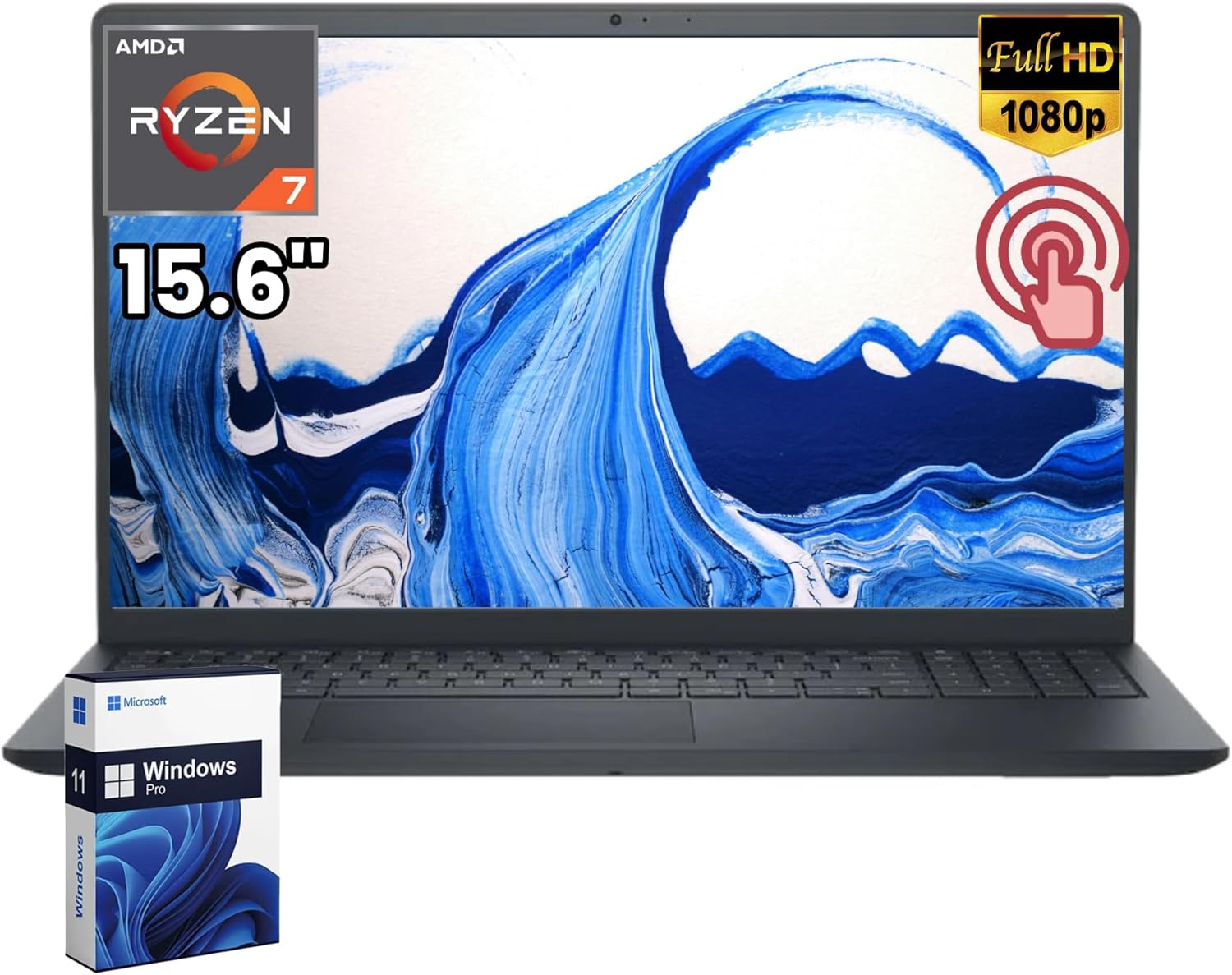
Best for most students
ASUS ExpertBook B1503CVA 16GB RAM 512GB SSD
ASUS
Why it made the list: Its audience is a student who wants a trustworthy everyday laptop, not a specialized tool for one demanding class.
Reviewed July 23, 2026Picks unchanged since Jul 20, 2026
How we rankBest Laptops for Computer Science Students Under $1,500 is really about balancing portability, build quality, and keyboard comfort. This list leans into under $1,500, 16 GB of RAM or more, 512 GB of storage or more, 8+ CPU cores, and a carry weight under 4.5 lb so you can compare the laptops that actually fit the brief. Use it as a shortlist, then narrow further inside FilterKilter once you know which tradeoffs matter most to you.
Best Laptops for Computer Science Students Under $1,500 is for buyers comparing under $1,500, 16 GB of RAM or more, and 512 GB of storage or more. The hard part is separating meaningful specs from nice-looking extras, so this guide ranks live catalog picks by portability, build quality, and keyboard comfort.
Affiliate disclosure: Links to retailers on this page are affiliate links. If you buy after clicking one, we may earn a commission at no extra cost to you. Commissions do not influence which laptops we rank or in what order. See our full Affiliate Disclosure.
Data & accuracy: Rankings are based on publisher specifications, retailer pricing snapshots, and published system requirements. We do not physically test every laptop listed, and prices, configurations, and availability change frequently. Always confirm the exact configuration and final price on the retailer’s site before buying. See our full methodology →
Informational only: Content on this site is provided for informational purposes and is not professional, financial, or technical advice. Use your own judgment when making a purchase.
Best for most students
ASUS
Why it made the list: Its audience is a student who wants a trustworthy everyday laptop, not a specialized tool for one demanding class.
Best for daily carry
ASUS
Why it made the list: Its price is one of the reasons it survives the comparison, especially if your goal is useful performance without paying for unused headroom.
3Image: Amazon · Affiliate link
Best for split-screen work
Lenovo
Why it made the list: The target reader is someone juggling Canvas, Word or Docs, Zoom, and an unreasonable number of tabs, not someone chasing benchmark scores.
Best for split-screen work
Acer
Why it made the list: It fits the normal student mix of research tabs, writing, email, video calls, and media use without ever feeling like overkill for the money.
5Image: Amazon · Affiliate link
Best for split-screen work
Dell
Why it made the list: This is for the buyer who wants one laptop to cover classes, calls, assignments, and ordinary media use.
6Image: Amazon · Affiliate link
Best for split-screen work
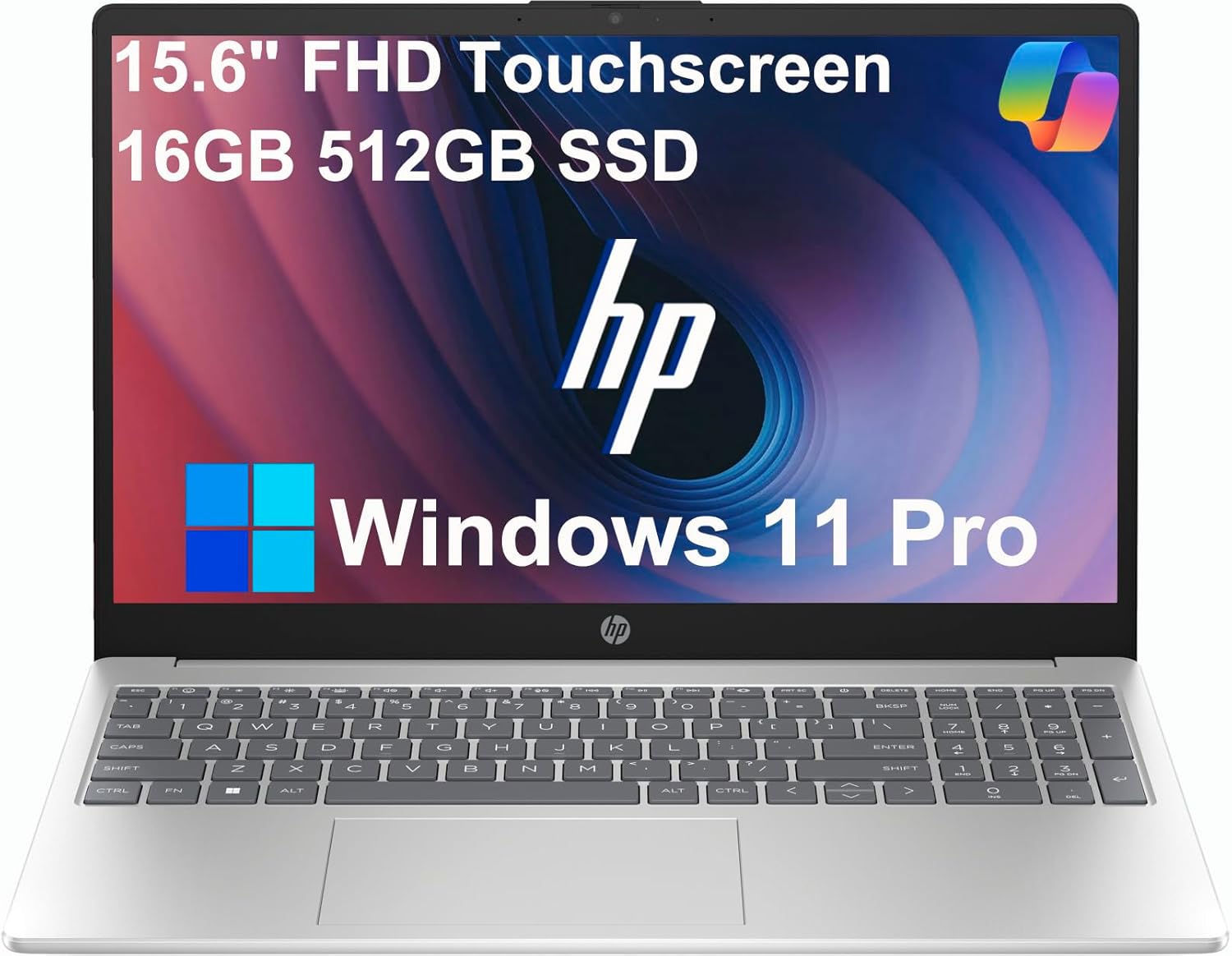
HP
Why it made the list: It makes sense for a school day built around notes, browser research, papers, meetings, and some downtime.
Best for split-screen work
Acer
Why it made the list: The fit is broad campus use: enough speed for classwork without turning the laptop into a heavy workstation.
8Image: Amazon · Affiliate link
Best for split-screen work
Dell
Why it made the list: It is aimed at students who need reliability and portability before they need niche performance.
9Image: Amazon · Affiliate link
Best for split-screen work
Lenovo
Why it made the list: Its case on this list is that it works as the extra-workspace option.
10Image: Amazon · Affiliate link
Best for all-day battery
Samsung
Why it made the list: Reads as the unplugged-work option more than a star attraction, which is exactly why it is useful alongside the flagships.
Use this guide as the shortlist, then refine by price, RAM, GPU, battery life, weight, display size, and software requirements inside the full FilterKilter tool.
Open FilterKilter — Full Filtering & Sorting Tool →Start with the non-negotiables for this kind of student / educator: performance, portability, display size, and price. Once those are aligned, compare smaller quality-of-life details like ports, keyboard feel, battery life, and thermals.
16 GB is the practical baseline here because it gives you enough headroom for multitasking and keeps the laptop from feeling cramped too quickly.
Usually not. Integrated graphics is enough for web work, office tasks, schoolwork, and general productivity. Pay for a dedicated GPU only if you know your workload will use it.
IBM. Official IBM requirements for IBM SPSS Statistics; the recommended tier calls for 8 GB RAM and 4 CPU cores, informing this guide's memory and processor thresholds. Accessed 2026-06-08.
Posit. Official Posit requirements for R / RStudio; the recommended tier calls for 8 GB RAM and 4 CPU cores, informing this guide's memory and processor thresholds. Accessed 2026-06-08.
Digital Scholar. Official Digital Scholar requirements for Zotero; the recommended tier calls for 8 GB RAM and 4 CPU cores, informing this guide's memory and processor thresholds. Accessed 2026-06-08.
Microsoft Visual Studio Code Docs. Editor and development-tool context for programming guides. Accessed 2026-05-21.
Docker Docs. Local container workload requirements for developer laptop recommendations. Accessed 2026-05-21.
Python Software Foundation. General Python setup context for data, scientific, and programming guides. Accessed 2026-05-21.
Microsoft Support. Office and Microsoft 365 compatibility context for school, work, and productivity picks. Accessed 2026-05-21.
Zoom Support. Video-meeting requirements used for student, remote-work, and business recommendations. Accessed 2026-05-21.
FilterKilter scores every laptop in its catalog against official publisher system requirements. Open any title below for its minimum, recommended, and optimal specs — plus a live list of laptops that meet them.